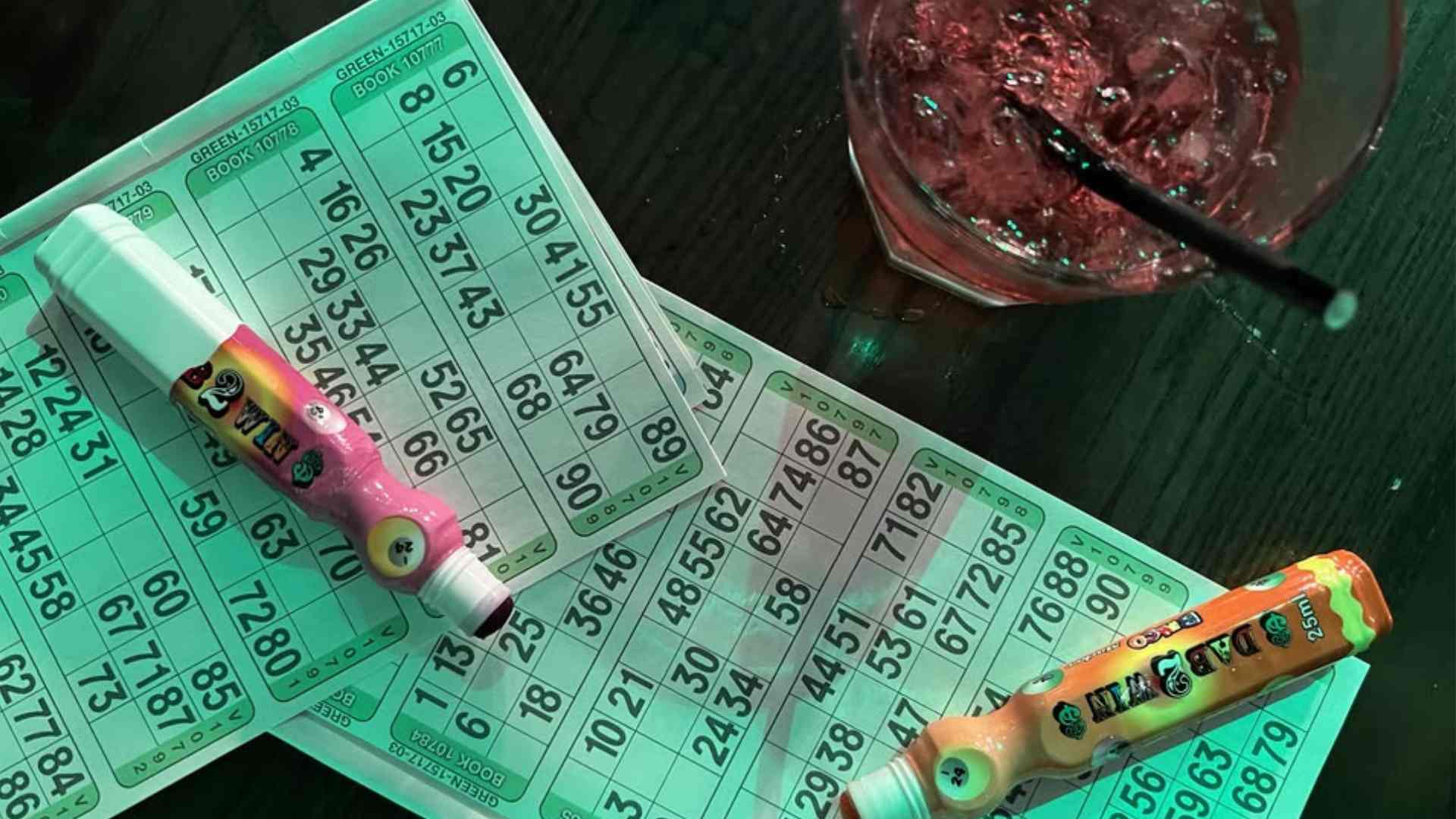
Introducing mathematical concepts through active learning can completely transform how students perceive data and numbers. By engaging in hands-on exercises, learners can visualize abstract theories and understand how chance operates in daily life. Educational activities based on probability offer a dynamic framework for building critical thinking and analytical capabilities from an early age.
Classic Classroom Dice and Coin Experiments
Simple tools like six-sided dice and standard coins serve as excellent introductory instruments for statistical lessons. Instructors can guide students to record the outcomes of multiple trials to observe the law of large numbers in action. This interactive approach helps bridge the gap between theoretical calculations and real-world random occurrences.
Through repetitive coin tosses, children quickly grasp the baseline concept of independent events and percentage distribution. They learn to look past emotional intuition and rely on actual data patterns instead. These introductory exercises form the absolute cornerstone of healthy quantitative logic and scientific analysis.
Integrating Modern Technology and Web Software
Digital evolution has introduced sophisticated web-based simulators that can run thousands of random iterations in seconds. Educators frequently utilize these dynamic platforms to demonstrate complex probability distributions without manual tracking limitations. For instance, testing simulation variables on a responsive m88.com mobile interface allows students to observe live mathematical outcomes instantly.
These virtual assets keep younger generations deeply interested while reinforcing structural textbook curricula. The combination of immediate software feedback and graphical metrics makes abstract formulas far easier to comprehend. Leveraging modern tech assets ensures that mathematical instruction stays modern, competitive, and highly effective.
Analyzing Weather Forecasts and Risk Management
Connecting statistical probability to daily routines like meteorology offers another practical layer of student involvement. Classroom discussions can focus on what a thirty percent chance of rain truly signifies in data tracking. This exercise trains the human brain to evaluate risk architectures and make evidence-based decisions under uncertainty.
By mapping out historical weather trends, students learn to construct their own predictive models and sample spaces. They begin to appreciate how major global industries use statistical metrics to safeguard valuable public assets. Translating academic math into real-world scenarios fosters a deeper sense of lifelong intellectual curiosity.
Card Challenges and Conditional Logic
Standard decks of cards provide an exceptional medium for exploring conditional probability and dependent trials. Pulling cards without replacement shows students how the remaining selection alters the likelihood of consecutive draws. This tactile setup turns confusing algebra formulas into straightforward, memorable gaming challenges.
Collaborative group games encourage healthy competition while testing real-time logical deduction skills. Participants must continuously evaluate shifting odds and modify their strategies based on visible variables. Ultimately, these targeted lessons turn mathematics from an intimidating chore into an enjoyable collective adventure.